
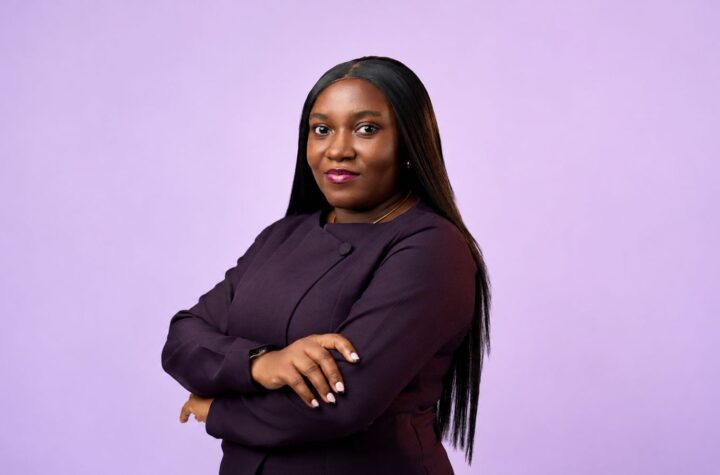
For the past decade, Ada Nduka Oyom has been working to get more African women into technology. But after years of providing access to skills, mentorship and opportunities, she believes the bigger question is no longer how many women can enter the industry.
It is how many will stay, rise into leadership, build companies and own the technology shaping Africa’s future.
That question is now driving the next phase of She Code Africa, the Pan-African nonprofit Oyom founded in 2016 to create greater opportunities for girls and women in technology. The organisation marked its 10th anniversary at its 2026 summit in Lagos, where the conversation shifted from access and visibility to leadership, ownership and influence.
She Code Africa began as a movement focused largely on making African women in technology more visible. Over time, it evolved into a structured organisation providing technical training, scholarships, digital literacy, mentorship and career development opportunities.
The organisation says its programmes have now reached more than 65,000 women and girls, while its wider community has grown to more than 50,000 members across more than 20 African countries.
But Oyom says the experience of the past decade has revealed a deeper problem.
Getting a woman into a technology programme does not automatically mean she will build a career in technology. A woman can acquire a coding skill and still lack a laptop, a mentor, a job opportunity, access to networks or the resources required to turn that skill into economic value.
That has forced She Code Africa to rethink what meaningful participation actually looks like.
At the organisation’s 10th anniversary summit, Oyom argued that the next decade should be about creating stronger systems that allow women to progress after they enter the technology ecosystem. That includes pathways into leadership, entrepreneurship, investment and decision-making.
The shift also reflects a wider conversation about women’s participation in Africa’s digital economy.
Women are increasingly visible across technology communities, but representation can fall sharply at senior levels. The challenge, therefore, is not only getting more women into technology education but ensuring they can advance within the industry and eventually become the people creating opportunities for others.
For Oyom, that means changing the ambition from participation to ownership.
Ownership can mean different things: building a technology company, becoming a product leader, controlling intellectual property, investing in startups, leading technology teams or having a meaningful role in decisions about Africa’s digital infrastructure.
That last issue featured prominently at the summit, where technology leaders discussed who should control the infrastructure supporting Africa’s growing digital economy. The conversation covered areas including data, security, governance and the role African institutions should play in managing critical technology infrastructure.
Artificial intelligence is also becoming part of She Code Africa’s next chapter. Oyom said the organisation is exploring how AI can be incorporated into the foundations of its academy programmes, including software development and product management, as the technology changes the skills required across the industry.
The organisation’s evolution is significant because its original mission remains relevant even as the problem changes.
A decade ago, the challenge was making African women in technology visible and creating entry points into an industry where they were often underrepresented. Today, the question is what happens after those entry points have been created.
Who becomes a founder?
Who gets funded?
Who becomes a CTO, product leader or investor?
Who builds the infrastructure?
And who gets to make decisions about the technologies that will shape African economies?
Oyom believes the answers cannot depend on organisations like She Code Africa alone. Employers, educators, investors, policymakers and technology companies all have roles to play in creating an ecosystem where women can progress beyond training and access.
That makes the next phase of She Code Africa less about simply increasing the number of women learning technology and more about what those women can build with the opportunity.
After ten years of opening doors, Oyom is now asking a harder question: what happens when African women are not just invited into the technology ecosystem, but become the people building the companies, leading the teams, funding the ideas and shaping the digital future?
For She Code Africa, that may be the real measure of its next decade.


More Stories
Toroti Akogun Is Reimagining What HR Professionals Can Do With AI
Across AI Raises $5.75 Million to Help Businesses Turn Scattered Data into Actionable Intelligence
Nigerian Startup Makes Solar Power More Accessible to Small Businesses