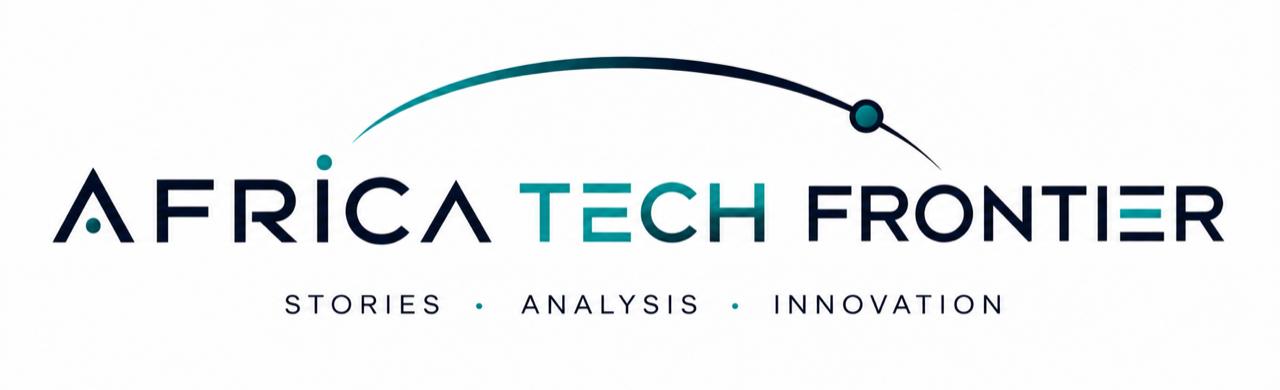

Terna Akin-Akinbisola is an AI safety and governance advocate based in Abuja, Nigeria. Her work explores how artificial intelligence can be adopted safely and responsibly, with a focus on security, public understanding and policy. With a background in computer science and experience spanning fintech, business development and financial crime investigation, she brings a people-centred perspective to conversations about technology and trust.
She leads CyberGirlHQ, an emerging social enterprise connecting AI literacy, governance advocacy and applied AI security. From growing a community of learners and collaborators to engaging with people across Ghana, Morocco and Cameroon, Terna is working to make complex technology issues more accessible.
In this interview with Africa Tech Frontiers, Terna reflects on the experiences that shaped her path, why prevention matters, what she is learning from building a community, and what responsible technology adoption could look like for Africa.
ATF: Before we get into the work you are known for today, who is Terna Akin-Akinbisola? Tell us about your journey and the experiences that have shaped you.
Terna Akin-Akinbisola: I’m Terna Akin-Akinbisola, a woman of faith, a wife, a mother and a lifelong learner. With a background in computer science and experience across fintech, business development and financial crime investigation, I’ve seen how technology creates opportunities and how it can expose people to harm. Investigation made those consequences personal: behind every loss is someone’s livelihood, trust or family. That’s why my work centres on people and how technology can serve them safely.
ATF: You have moved through financial crime investigation, cybersecurity and now AI safety and governance. What changed in your thinking as you moved from one space to another?
Terna Akin-Akinbisola: The biggest shift was towards prevention. Investigation often begins after harm has happened, and that made me ask what could have prevented it. Cybersecurity helped me explore protection, while AI safety and governance brought me closer to the decisions behind how technology is designed, used and supervised. I believe cybercrimes are better prevented than enforced, and that belief continues to shape my work.
ATF: You are still relatively new to cybersecurity. What drew you into the field, and what has the experience taught you about the kind of problems you want to solve?
Terna Akin-Akinbisola: It was the connection between technology and the financial crimes I encountered. My computer science background gave me a foundation, but investigation gave cybersecurity a practical purpose: understanding how people are exposed and how to protect them. I’m still building my technical expertise, but my investigation experience helps me ask useful questions, while advocacy allows me to translate what I learn into language people can act on.
ATF: When you saw people using AI in everyday life, what made you realise the conversation needed to go beyond productivity?
Terna Akin-Akinbisola: It became clear when I saw people using AI for everyday work and decisions, often trusting its responses because they sounded confident. I began asking whether people understood its limitations, what information they were sharing and when they needed to verify an answer. That moved my interest beyond productivity into questions of judgement, privacy and accountability.
ATF: A lot of the conversation focuses on what AI can do. You spend much of your time asking what could go wrong. What concerns you most right now?
Terna Akin-Akinbisola: The gap between adoption and understanding. People can use AI daily without knowing when to question an answer, protect private information or seek human review. My investigation background also makes me attentive to AI-enabled deception and how easily convincing content can exploit trust. Within organisations, I want responsibility to be clear: who checks an AI-assisted decision, explains it and corrects it when someone is harmed?
ATF: You are building CyberGirlHQ alongside your professional work. What did you notice was missing that made you decide to create a community of your own?
Terna Akin-Akinbisola: I saw a need for accessible conversations connecting AI to everyday life. People were curious and learning tools, but they also needed space to discuss security, privacy and responsible use without feeling intimidated. Through CyberGirlHQ, I help individuals and organisations understand AI risks and adopt AI safely through security, governance and literacy. Community gives people somewhere to ask questions, practise and grow together.
ATF: You have grown that community from just 10 people to more than 200 active members and have connected with people across Ghana, Morocco and Cameroon. What has building across borders taught you about young Africans and their ambitions?
Terna Akin-Akinbisola: My engagement with collaborators in Ghana, Morocco and Cameroon has shown me curiosity, ambition and a willingness to learn together across borders. What concerns me is whether that enthusiasm is supported by enough depth, mentorship and practical experience. Access to tools or certificates alone isn’t enough; people need opportunities to apply their knowledge and understand the consequences of what they build and use.
ATF: As technology becomes more common in the workplace, what do young Africans need to pay attention to beyond simply learning new digital tools?
Terna Akin-Akinbisola: Learning AI tools is useful, but preparing for work also means building subject knowledge, judgement and the ability to verify results. A broadcaster, for example, still needs to check claims and take responsibility for an AI-generated script before it goes on air. I encourage young people to build expertise alongside AI skills, while recognising that meaningful preparation requires access, guidance and opportunities to practise.
ATF: Nigeria has a young, ambitious technology community, but our institutions and policies are still catching up with many of these changes. Where do you think we have an opportunity to do things differently?
Terna Akin-Akinbisola: It starts with a clear problem and an understanding of the people affected. Africa is diverse, so tools need to be evaluated for local languages, infrastructure and circumstances. Responsible adoption means protecting information, maintaining appropriate human oversight and allowing people to challenge decisions. It also means involving African communities and practitioners, while building our capacity to evaluate, govern and develop AI ourselves.
ATF: You are still early in this journey. When you look ahead, what kind of impact do you want your work to have, and what would make you feel that you have truly made a difference?
Terna Akin-Akinbisola: I hope more people can use AI confidently and critically, and more organisations have clear responsibilities for its use. Personally, I want to deepen my expertise, contribute to policy and governance in Nigeria and across Africa, and grow CyberGirlHQ into a sustainable social enterprise. I’d love to point to people who became more capable, organisations that made safer choices and policies I helped inform. I also hope African countries would invest in data centres and indigenous AI frameworks, as well as better regulation.

More Stories
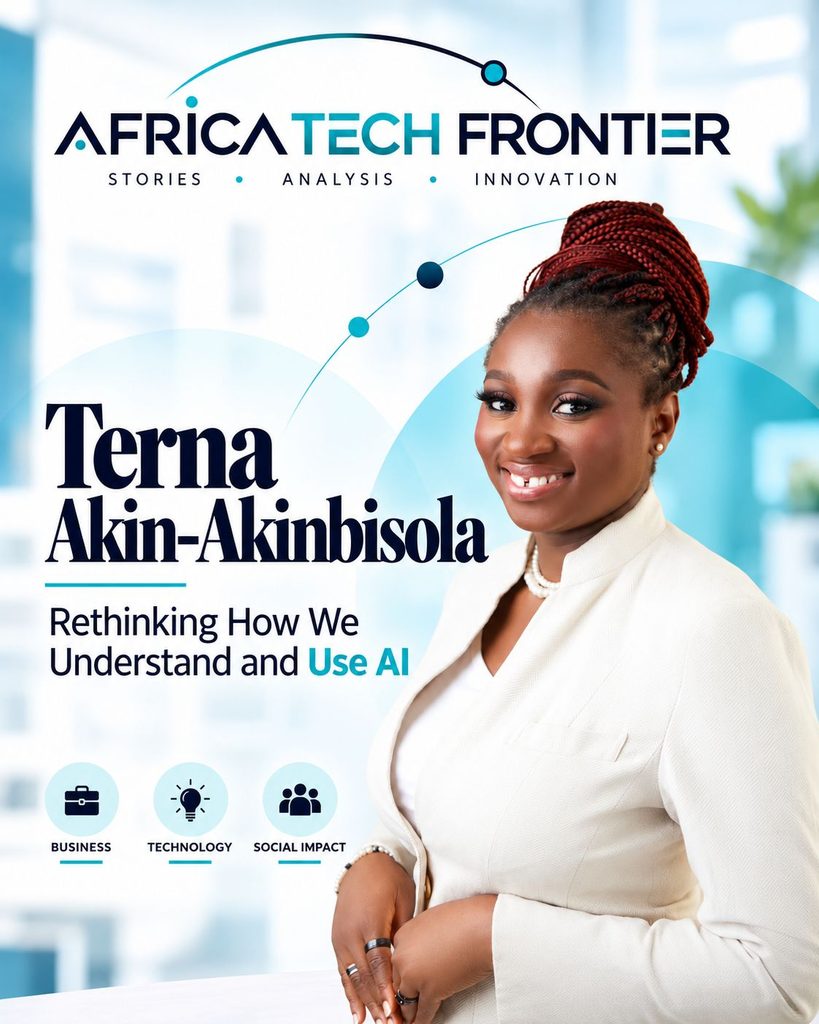
Rise Up, Stand Out: Nigerian Women Inspire Girls to Break Barriers and Lead with Confidence
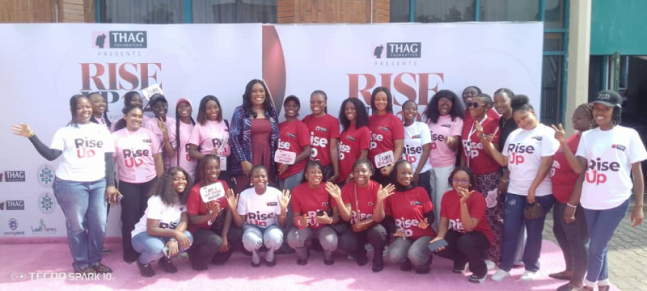
Breaking Barriers, Building Futures: She Code Africa Opens Doors for Women in Tech
Toroti Akogun Is Reimagining What HR Professionals Can Do With AI